
Palo Verde National Park
Nestled at the pristine headwaters of the Gulf Nicoya in the captivating Guanacaste Province of Northwest Costa Rica, Palo Verde National Park stands as a testament to the country's dedication to preserving its natural treasures. Established in 1978 with a noble mission to rehabilitate and safeguard the vital mangroves, floodplains, and river habitats that span between the Rio Tempisque and Rio Bebedero, this park has become a sanctuary for biodiversity enthusiasts. The park's primary drawcard is its exhilarating riverboat safaris, offering a glimpse into the mesmerizing world of wildlife that thrives here. While the nearest town is Canas, most intrepid explorers embark on their journey from the charming beach towns of Guanacaste, making Palo Verde a hidden gem awaiting discovery.
Exploring Palo Verde National Park: A Pristine Eco-Paradise in Costa Rica's Guanacaste Province
A sanctuary of diversity: This verdant paradise stretches across a sprawling 18,410 hectares, where nature's magnificence unfolds from sea level to 268 meters (0 to 879 feet) above. It's a sanctuary for diverse life forms, each with its own story to tell. While Palo Verde is graced with well-maintained trails leading to breathtaking vistas over the marshlands, the most enchanting odyssey here takes place aboard a tranquil riverboat.
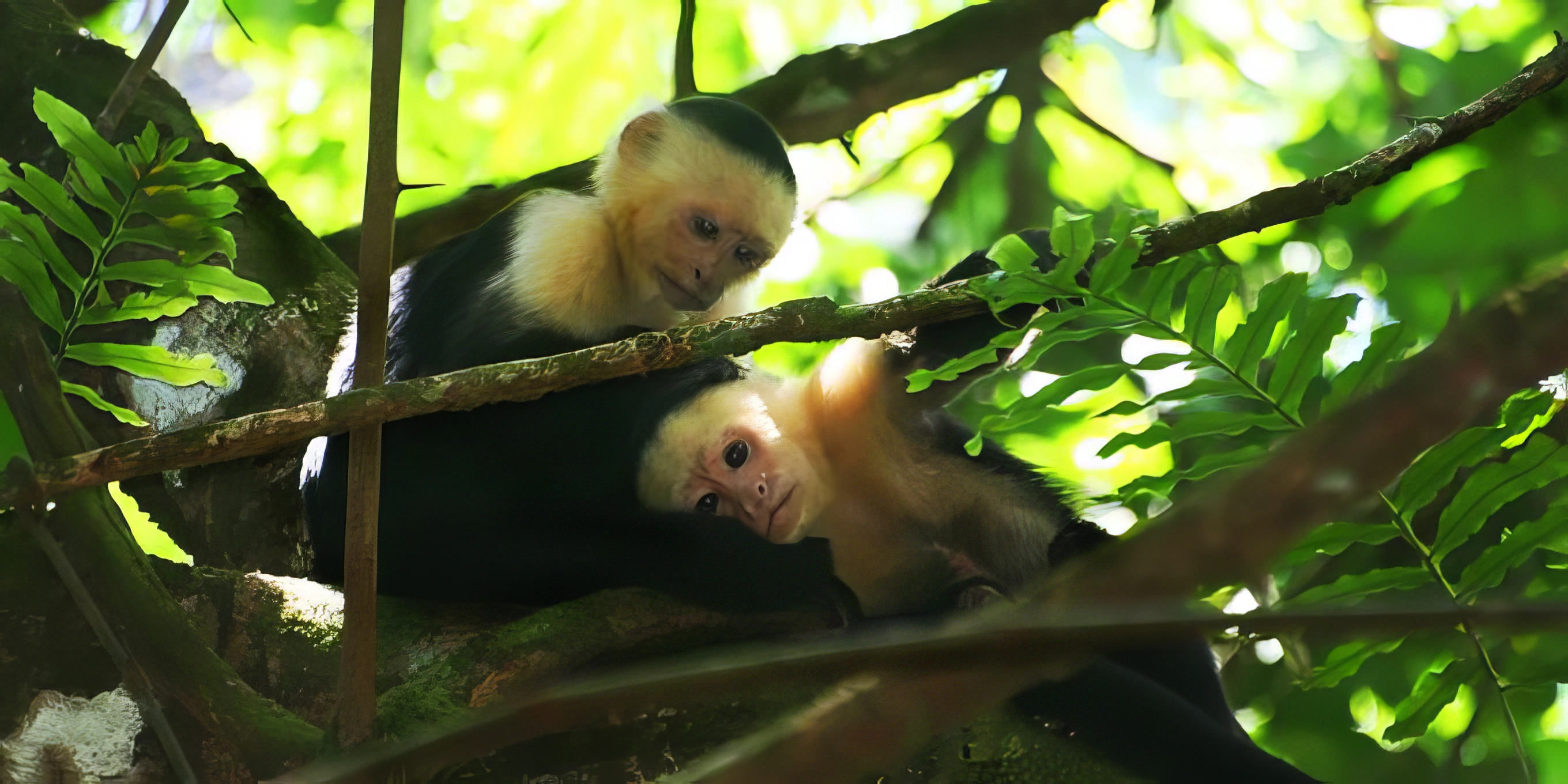
Wildlife abounds in Palo Verde National Park, creating a symphony of sights and sounds: Keep your eyes peeled for charismatic mammals, including collared peccaries, graceful deer, playful capuchin monkeys, and the resonant howler monkeys echoing their claims to the treetops. Beneath the forest canopy, an array of reptiles and amphibians dwell, from giant crocodiles and colorful iguanas to agile whip-tail lizards and the enigmatic boa constrictors.
A birdwatching oasis: Yet, it's the avian realm that truly steals the spotlight in Palo Verde. With over 300 bird species soaring through its cerulean skies and wading in its crystal-clear waters, the park is celebrated as a vital wetland for migratory waterfowl. Watch in awe as elegant roseate spoonbills, regal white ibises, and statuesque wood storks grace the wetlands. Delight in the charming boat-billed herons and dainty northern jacanas, all part of the vibrant avian tapestry that calls this sanctuary home. Scarlet macaws, long-tailed manikins, and great curassows add to the avian enchantment.
A natural haven by OTS: Palo Verde National Park is a natural haven meticulously cared for by the Organization of Tropical Studies. Its gates are open daily, inviting explorers from 8 AM to 4 PM. At the entrance, a friendly ranger station awaits, complete with public restrooms. To support conservation efforts and contribute to the park's lasting legacy, a modest entrance fee of $12 per person is appreciated.
For those seeking a deeper immersion into this ecological wonderland, rustic overnight accommodations are available at OTS, designed for field biologists and passionate researchers. However, most visitors choose to embark on memorable day trips from the coastal havens of Tamarindo, Flamingo, or Papagayo, where they can retreat to the comforts of their seaside lodgings after a day of enchantment in Palo Verde.

Stay in a Beautiful Boutique Hotel Near Palo Verde National Park
Rancho Humo Estancia, located near Palo Verde National Park in Costa Rica's Tempisque Conservation Area, is a tranquil boutique-style eco-lodge offering an immersive experience in the region's natural beauty. The lodge seamlessly blends with the lush surroundings, providing comfortable rooms and suites, a refreshing swimming pool, and an on-site restaurant serving delicious Costa Rican cuisine. Its spacious outdoor areas offer a peaceful ambiance for relaxation.
One of the standout features of Rancho Humo Estancia is its exceptional wildlife encounters. Guided tours and activities invite guests to explore Palo Verde National Park and its diverse ecosystems. Boat tours along the Tempisque River provide opportunities to observe a variety of bird species, including herons, egrets, and scarlet macaws, while the park itself is home to howler and capuchin monkeys, white-tailed deer, and more. For nature enthusiasts seeking an authentic Costa Rican experience, this eco-lodge offers a perfect blend of comfort and immersion in the Palo Verde region's natural wonders.

Weather & The Best Times to Visit Palo Verde National Park
The best time to visit Palo Verde National Park in Costa Rica largely depends on your interests and weather preferences. Here are some factors to consider:
Dry Season (December to April): This is the high tourist season in Costa Rica and coincides with the dry season. During these months, the weather is typically hot and sunny, making it an excellent time for birdwatching and wildlife viewing. Many North American migratory bird species are present in the park during this time. The trails are more accessible, and boat tours on the Tempisque River are enjoyable. However, this is also the busiest time, so accommodations may be more expensive, and you should book in advance.
Green Season (May to November): The rainy season in Costa Rica, also known as the "green season," offers a different experience. The landscape is lush and green, and the park is less crowded. Rain showers are common, but they usually occur in the afternoons, leaving the mornings relatively dry. This is a great time for photographers and those interested in the vibrant flora of the park. Prices for accommodations tend to be lower during this period.
Rainiest Months (September and October): If you're visiting Palo Verde during the rainy season, be aware that September and October are typically the wettest months. During this period, it can rain heavily, and there's a higher chance of prolonged rain showers throughout the day.
In summary, the best time to visit Palo Verde National Park depends on your interests. If you prefer dry, sunny weather and don't mind larger crowds, go during the dry season. If you enjoy lush green landscapes, lower prices, and fewer tourists, consider the green season. Regardless of the season, Palo Verde's unique wetland ecosystem offers exciting wildlife encounters and beautiful scenery year-round.

Facts About Palo Verde National Park
The easiest and best way to visit Palo Verde is with a tour operator that knows the way. It will not only be a more enlightening and easier experience, but it will likely cost less in the end as well. The park is remote and requires driving an hour or so on dirt roads with limited signs.
At a glance
Region: Guanacaste
Closest town: Canas
Size in hectares: 18,410 (45,492 acres)
Year established: 1978
Elevation in meters: sea level to 268 (0 – 879 feet)
Private managed: yes
Government managed: yes
Rangers station: yes
Overnight facilities: yes
Public restrooms: yes
Entrance fee: $12 per person
Days: daily
Hours: 08:00 - 16:00
Hiking trails: yes
Boat tours: yes
Average temperature range in Fahrenheit: 70 - 90
Average yearly precipitation in millimeters: 1,600 mm (63 inches)
Habitat: tropical dry forest, mangrove, river
How to Get There
From San Jose, take Rt.27 west all the way past Puntarenas until you reach the intersection with Rt.1. Take Rt. 1 northwest until you reach Bagaces. Turn left on Rt. 922 and follow the dirt road and signs approximately 19 kilometers until you reach the park. From there, the administration building is an additional 9 km.
Packing List
Palo Verde National Park Packing List
When packing for a visit to Palo Verde National Park in Costa Rica, it's important to be prepared for a range of weather conditions and outdoor activities. Here's a packing list to ensure you have a comfortable and enjoyable trip:
Clothing:
-
Lightweight, breathable, and moisture-wicking clothing for hot and humid weather.
-
Long-sleeved shirts and lightweight pants for sun protection and to guard against insects.
-
A wide-brimmed hat or cap for sun protection.
-
Sturdy, comfortable hiking boots or closed-toe shoes for outdoor activities and trails.
-
Lightweight rain jacket or poncho for the possibility of rain, especially during the green season.
-
Swimsuit for any swimming opportunities.
-
Casual and comfortable clothing for evenings and relaxation.
Accessories:
-
Sunscreen with high SPF rating to protect against strong tropical sun.
-
Sunglasses with UV protection.
-
Insect repellent for protection against mosquitoes and other bugs.
-
Binoculars for wildlife and birdwatching.
-
Camera with extra batteries and memory cards for capturing the stunning nature and wildlife.
-
Reusable water bottle to stay hydrated during outdoor excursions.
-
Daypack or small backpack for carrying essentials on hikes and tours.
Personal Items:
-
Passport and copies of important documents (stored separately).
-
Any necessary medications and a basic first-aid kit.
-
Toiletries, including biodegradable soap and shampoo.
-
Prescription glasses or contact lenses, if needed.
-
Travel adapter and charger for your electronic devices.
Miscellaneous:
-
Guidebooks, maps, or wildlife identification guides for learning about the local flora and fauna.
-
Spanish phrasebook or language app for communication with locals.
-
Cash in colones (the local currency) for small purchases, as some places may not accept cards.
-
Travel insurance documents and emergency contact information.
Remember to pack light and efficiently, as you'll likely be moving around the park and its surroundings. Additionally, many accommodations in the area may not have air conditioning, so lightweight and breathable clothing is essential for comfort. Lastly, embrace the rustic and natural setting of Palo Verde National Park, and you'll have a memorable and immersive experience in this beautiful part of Costa Rica. Check our Costa Rica packing guide for more information.
Facts
Fun Fact: Palo Verde National Park is located in a tropical dry forest. These forests are considered to be the most endangered ecosystems in the tropics, providing essential habitat to many endangered species of wildife.
Driving Distances
Location
Lattitude: N 10° 20' 60" (10.35)
Longitude: W 85° 18' 36" (-85.31)