
Volcano and rainforest
Arenal Volcano National Park
Rainforest trails and volcanic landscapes make Arenal a natural fit for travelers combining wildlife, hiking, and the greater Arenal area.
Read the Arenal guideCosta Rica protected landscapes
Volcanoes rise above forest, Caribbean waterways wind through wetlands, and Pacific trails reach beaches and marine habitat. Compare Costa Rica’s national parks, reserves, and refuges by landscape, wildlife interest, and travel route.

A keel-billed toucan in Costa Rica’s tropical forest
Start with the experience
There is no single “best” protected area for every trip. Start with the setting you want—volcano, cloud forest, lowland rainforest, wetland, beach, island, or marine reserve—then compare access, activities, and how the stop fits the rest of your itinerary.
55 protected-area guides
Open any guide for a closer look at the setting, activities, access, and nearby places. Conditions, entry procedures, and operating rules can change, so confirm current details before traveling.
Volcano and rainforest

Central Pacific coast

Cloud forest

Caribbean waterways

Osa Peninsula

Wetlands and birdlife
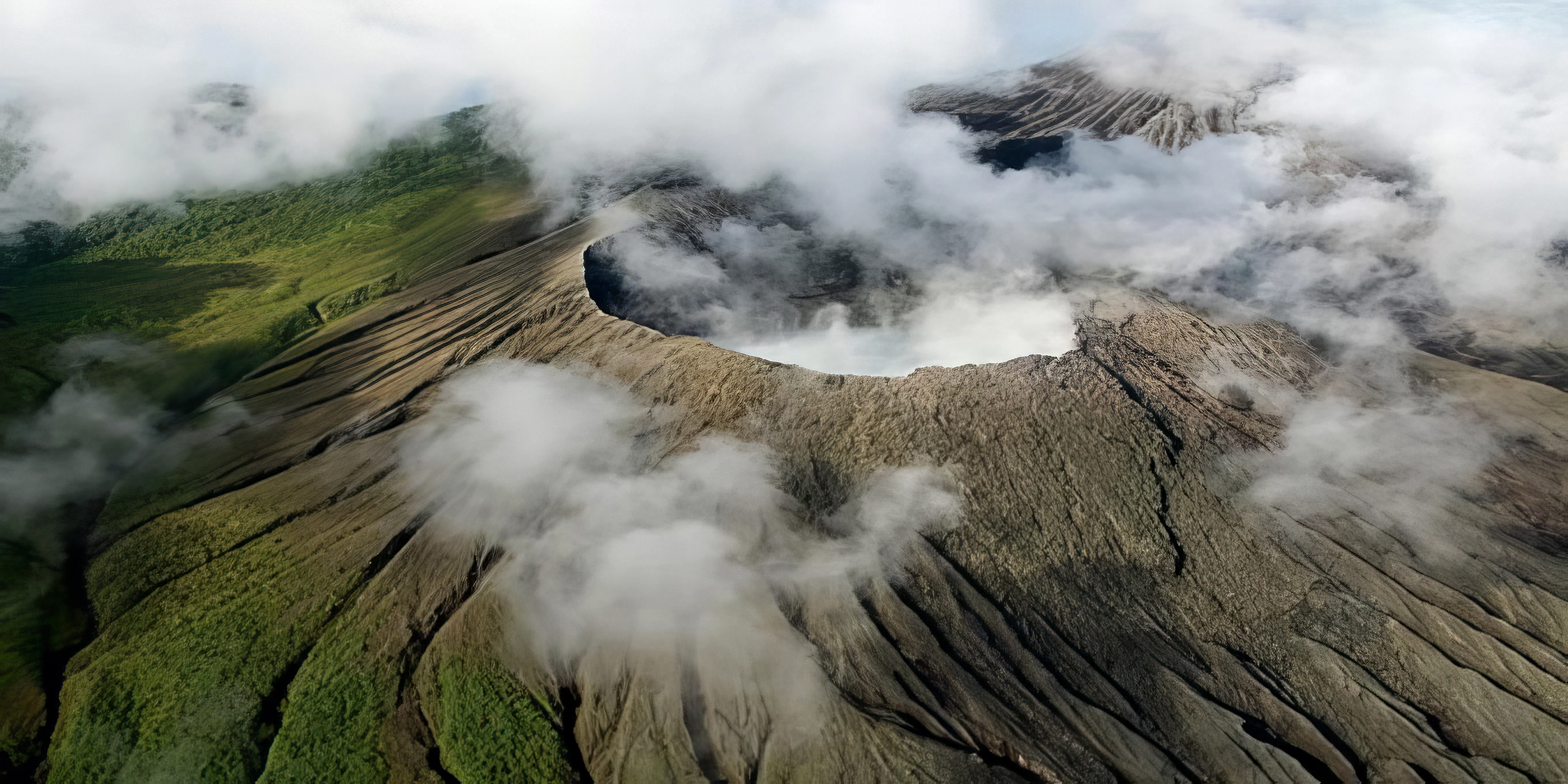
Volcanic highlands

Southern Caribbean

South Pacific coast

Northern Caribbean

Caves and dry forest

Central highlands
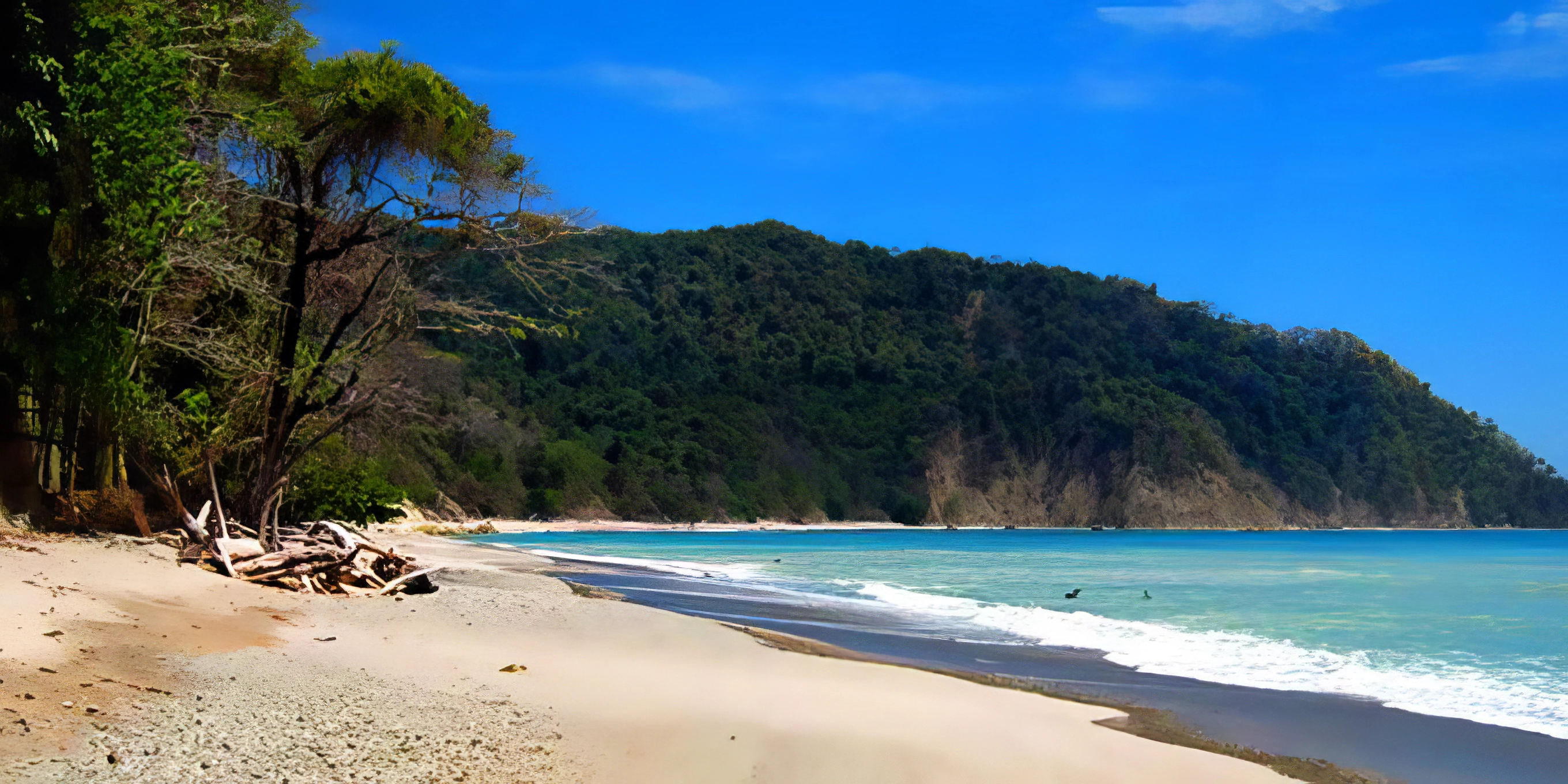
Southern Nicoya

Sea turtle habitat

Island and marine reserve

Wetland wildlife

Transition forest

Osa Peninsula

Caribbean wetlands

High-elevation hiking

Remote Pacific island

Mangrove wetlands

Private wildlife refuge

Southern Caribbean

South Pacific forest

Osa conservation corridor
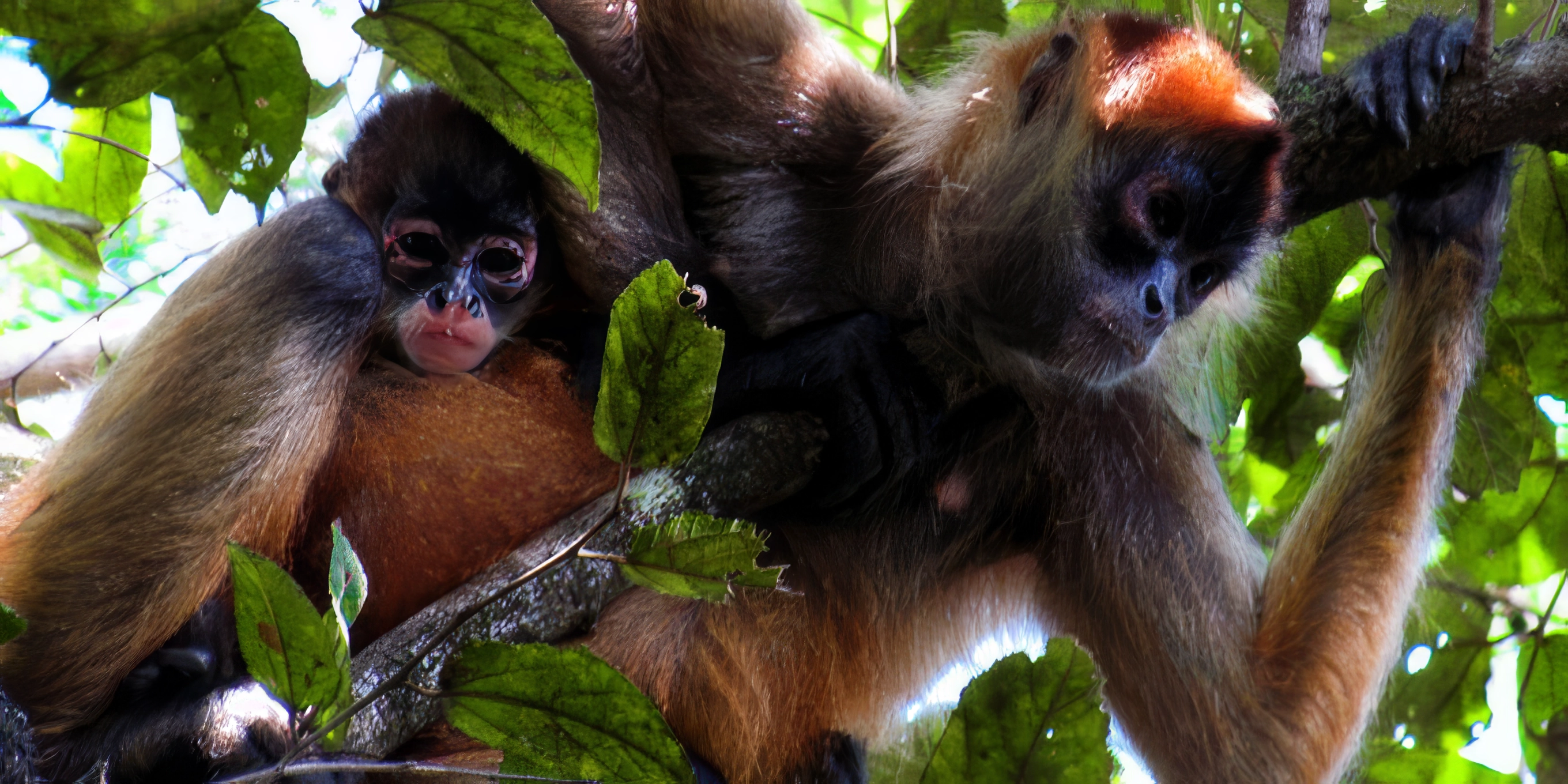
Northern Guanacaste

Archaeology and history

Volcanic highlands

Cloud forest and water

Northern Guanacaste coast

International wilderness
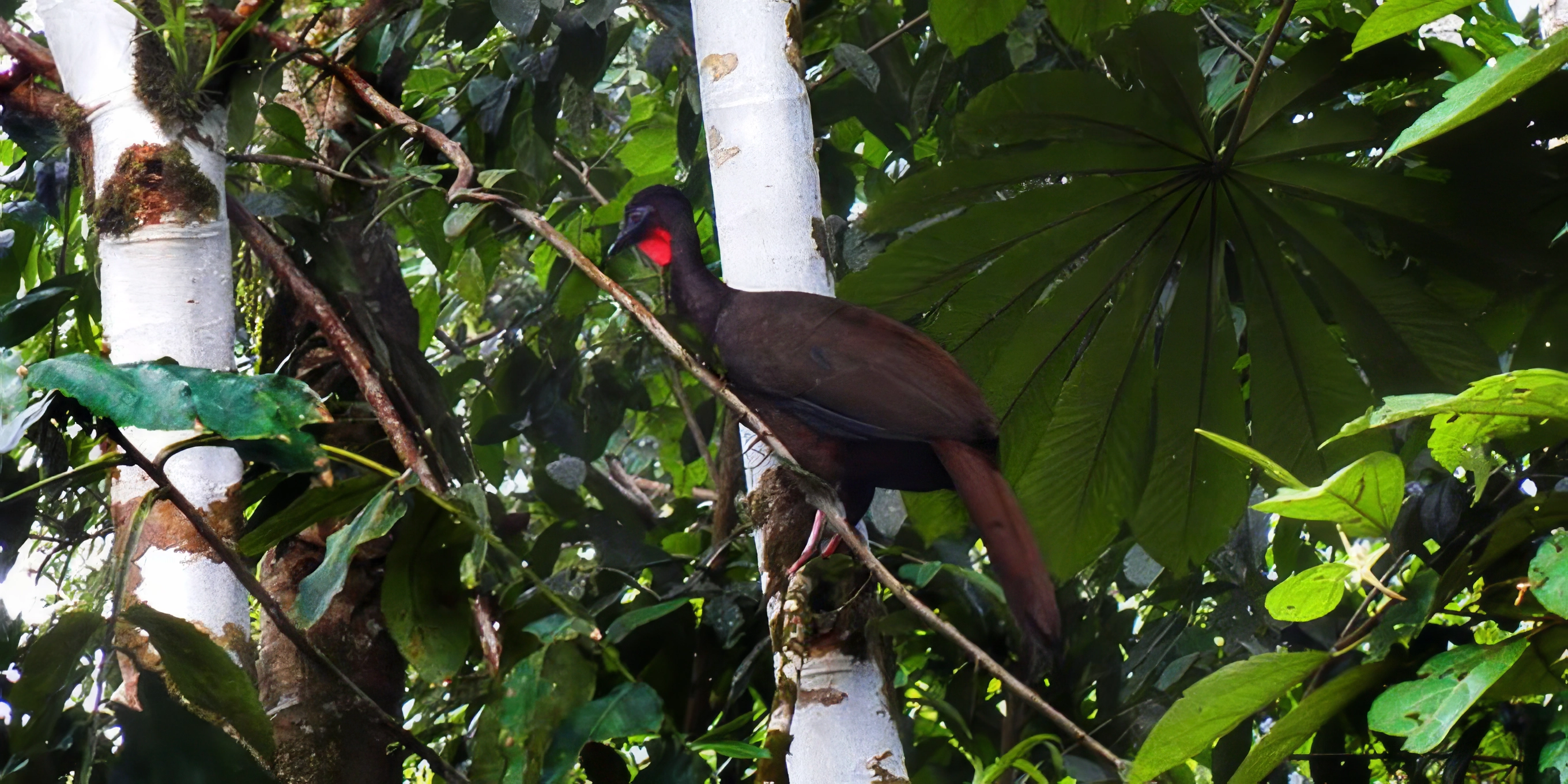
Lowland rainforest

Leatherback turtle habitat

Volcanic highlands

Pacific highlands

Nicoya Peninsula

Nicoya coast

Osa Peninsula

Sea turtle nesting

Northern forest refuge

Golfo Dulce rainforest

Volcanic crater

Central Pacific coast

South Pacific refuge

Caribbean watershed

Northern watershed

Island history and nature

Southern wetlands

Cloud forest

Dry forest and history

Mangrove estuary

Orosi Valley
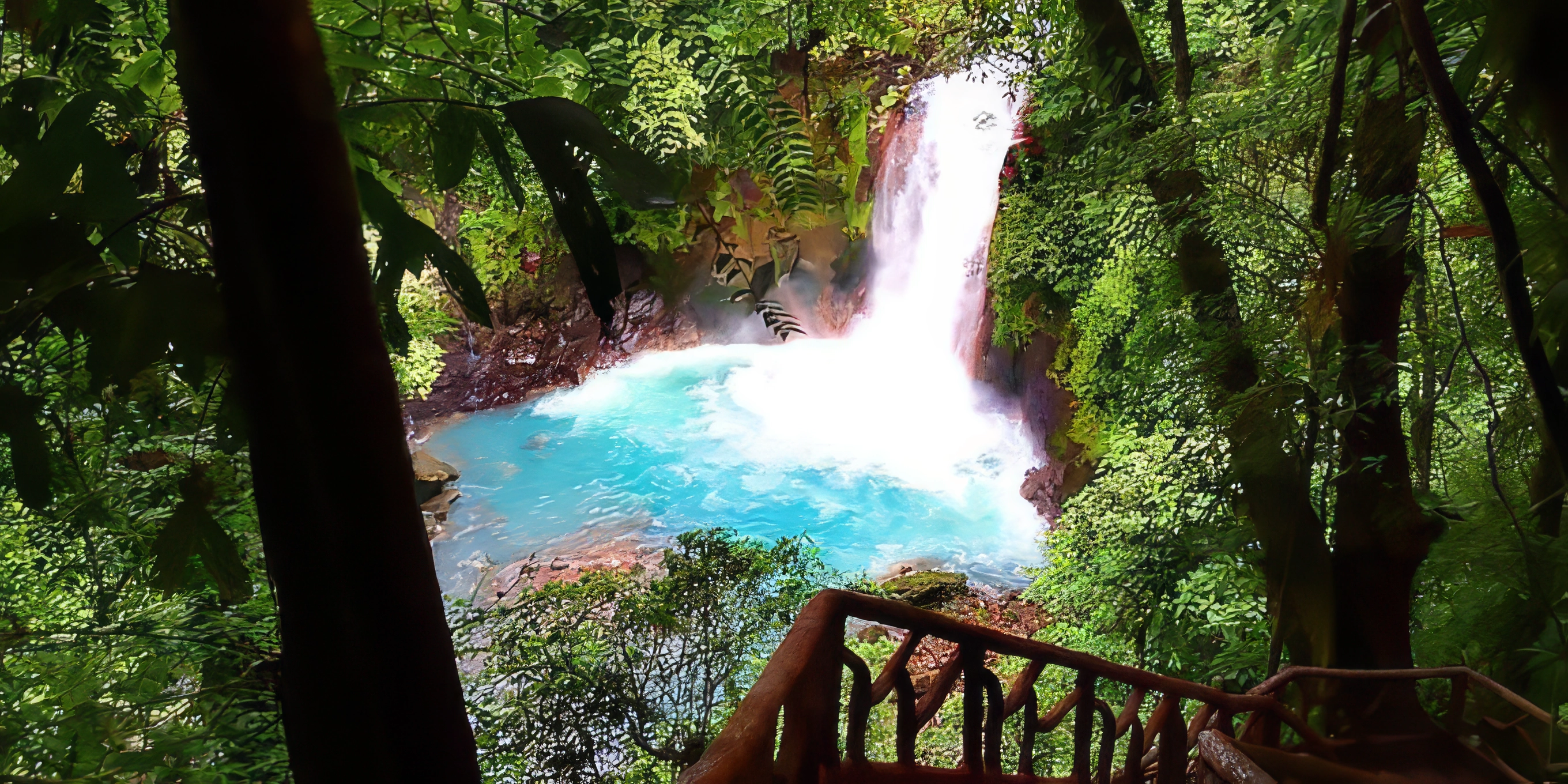
Volcano and Río Celeste

Active volcano
Start with the experience you want and the region already on your route. Volcano parks such as Arenal, Poás, Irazú, Tenorio, Rincón de la Vieja, and Turrialba emphasize very different landscapes and access conditions. Monteverde and Santa Elena focus on cloud forest, while Tortuguero and Caño Negro are shaped by waterways and wetlands. Corcovado and Piedras Blancas protect lowland rainforest in the south, and Cahuita, Marino Ballena, Las Baulas, and Cocos Island add coastal or marine habitat.
A famous name is not automatically the best fit. Compare travel time, trail difficulty, the value of a guide, reservation requirements, and how much of the day the visit will use. Choosing one or two protected areas that complement the rest of the itinerary is usually more rewarding than building a route around a long checklist.
Understand the names
These names describe different conservation-management categories rather than interchangeable labels. Costa Rica’s National System of Conservation Areas (SINAC) defines each category by its primary conservation purpose and permitted use.
The category alone does not tell you what a visit will be like. Always check the individual guide and current authority information for public access, reservations, trails, and permitted activities.
Nine places to compare in depth
The best choice depends on the landscape, wildlife interests, access, and route that suit your vacation. These nine in-depth profiles preserve the original planning context for several of Costa Rica’s best-known parks and reserves, with links to their complete destination guides.
Arenal Volcano National Park is one of Costa Rica’s best-known volcanic parks. The volcano erupted frequently from 1968 until 2010 and remains classified as active, although it is currently in a resting phase. Its symmetrical cone is an iconic backdrop for the forests, old lava fields, wildlife habitat, and hot-spring area around La Fortuna. Trails through the park reveal how earlier eruptions shaped the landscape, while the surrounding rainforest supports a broad mix of tropical plants, birds, and animals. Follow the link to read more about Arenal Volcano National Park.
Manuel Antonio is one of Costa Rica’s best-known national parks. The park combines Pacific beaches, forested hillsides, mangroves, islands, marine environments, and abundant wildlife in a compact area near Quepos. Its biodiversity and accessible trail network make it a favorite place to combine a forest walk with time on the beach. Visitors may encounter three monkey species, two sloth species, toucans, parrots, and many other animals, but sightings are never guaranteed. Follow the link to read more about Manuel Antonio National Park.
The Monteverde Cloud Forest Reserve is one of Costa Rica’s best-known cloud-forest destinations. Travelers come from around the world to hike its misty trails and look for rare birds such as bellbirds, resplendent quetzals, and emerald toucanets. The privately managed biological reserve protects a rich collection of plant and animal life. It also crosses the Continental Divide, where Caribbean and Pacific weather systems meet. Follow the link to read more about the Monteverde Cloud Forest Reserve.
Tortuguero is one of Costa Rica’s most remote national parks and is reached by boat or small plane. On the northern Caribbean coast, its mixture of rainforest, beaches, mangroves, lagoons, rivers, and canals supports a wide range of wildlife. Exploring the waterways by boat gives travelers a very different perspective from a conventional forest hike. The park is especially known for green sea turtles that nest on Playa Tortuguero, generally from July through October. Follow the link to read more about Tortuguero National Park.
Corcovado is one of Costa Rica’s most remote national parks. Located on the Osa Peninsula, it protects extensive lowland rainforest and an exceptional concentration of ecosystems and wildlife, making it one of the country’s most important biological areas. Its scale and remoteness make advance planning especially important. Reaching the park from Drake Bay can add a memorable boat journey, with possible—but never guaranteed—sightings of dolphins, whales, and sea turtles along the way. Follow the link to learn more about Corcovado National Park.
Tenorio Volcano National Park is best known as the home of Río Celeste. The river’s striking blue color appears where mineral-rich waters meet and suspended particles scatter sunlight, creating one of Costa Rica’s most unusual natural scenes. The park protects broad areas of rainforest that provide habitat for tapirs, jaguars, ocelots, monkeys, sloths, and hundreds of tropical bird species, although wildlife sightings are never guaranteed. Follow the link to learn more about Tenorio Volcano National Park.
Rincón de la Vieja National Park surrounds an active volcanic massif in Guanacaste and extends across several climate and life zones. In the Las Pailas sector, trails reveal fumaroles, boiling mud pots, hot springs, and transitions between dry and humid forest. The park’s volcanic features, varied forests, rivers, and waterfalls make it substantially more than a single-crater destination. Access to particular sectors and trails can change with volcanic or weather conditions, so confirm current SINAC guidance before visiting. Follow the link to read more about Rincón de la Vieja National Park.
Cahuita National Park is one of Costa Rica’s smaller national parks, but it protects both Caribbean rainforest and an important marine area with coral reef habitat. Its white-sand beaches, coastal forest, and reef place several distinct environments close together. Maintained trails offer opportunities to observe wildlife, while guided snorkeling may be available when sea and weather conditions permit. The combination makes Cahuita a rewarding choice for photographers, walkers, and travelers interested in both land and marine ecosystems. Follow the link to read more about Cahuita National Park.
Located on Costa Rica’s southern Pacific coast, Marino Ballena National Park was created to protect marine and coastal ecosystems. Its protected waters, beaches, rocky formations, islands, and coral reef habitat give the park both scenic beauty and ecological importance. Humpback whales migrate through the area during two broad seasons—generally July to November and December to April—while dolphins and sea turtles may also be seen. Wildlife sightings are never guaranteed, and access to the famous Whale Tail depends on the tide. Follow the link to read more about Marino Ballena National Park.
Entry procedures, hours, trail access, guide requirements, and weather conditions vary by protected area and can change. Volcano access can respond to monitoring and safety conditions; turtle nesting and whale activity are seasonal; remote parks and islands may require boats, authorized guides, advance arrangements, or specialized operators.
Use the individual guides above to narrow your choices, then confirm current rules with the responsible protected-area authority or a qualified local travel specialist before traveling. Leave room in the itinerary for transfer time and weather, especially when visiting remote rainforest, wetland, island, or high-elevation areas.
Build a workable route
The right combination depends on travel time, road transfers, season, and the experiences you value most. We can help you balance protected areas with the destinations, lodging, and pace that suit your trip.
Free trip planning · A real team to help you